Sodium tri polyphophate (STPP) About
- Detergents & Cleaners: Acts as a highly effective "builder" that sequesters hard water minerals (calcium and magnesium), allowing surfactants to work optimally. It also prevents dirt from redepositing onto fabrics during a wash cycle. [1, 2]
- Food Additive: Used as an emulsifier, moisture retainer, and preservative in meat, poultry, and seafood to keep them juicy and preserve their natural color. In the food industry, it is labeled as E451i. [1, 2]
- Industrial Applications: Functions as a deflocculant (dispersant) in ceramic slip formulations, a water treatment chemical to inhibit scale and corrosion, and a tanning agent in leather productio
Superior Detergent EnhancementSTPP is highly valued in laundry and cleaning formulations due to its ability to trap minerals like calcium and magnesium. By doing so, it prevents dull deposits on fabrics and enables detergents to clean more efficiently, even in hard water conditions. Its anti-redeposition properties help maintain fabric brightness during repeated washes.
Essential Food Industry AdditiveIn the food sector, sodium tripolyphosphate is labeled as E451i and prized for its multifunctionality. It stabilizes emulsions in processed meats, retains moisture in seafood and poultry, and preserves their natural color and texture. This results in juicier, more appealing products with longer shelf life.
Versatile Industrial ApplicationsIndustrially, STPP serves as a dispersant to maintain uniform suspension in ceramic slips and acts as a scale and corrosion inhibitor in water treatment. In leather production, it aids the tanning process, enhancing the quality and durability of finished products.
FAQ's of Sodium tri polyphophate (STPP):
Q: How does sodium tripolyphosphate improve detergent performance?
A: STPP acts as a builder in detergent formulations. It binds to hard water minerals like calcium and magnesium, preventing them from interfering with surfactants. This allows detergents to clean more effectively and helps avoid the redeposition of dirt on fabrics during washing.
Q: What is the role of STPP as a food additive, and is it safe?
A: As a food additive (E451i), STPP functions as an emulsifier, moisture retainer, and preservative in processed meats, poultry, and seafood. It keeps products juicy and preserves natural color. When used within regulatory limits, STPP is recognized as safe by food safety authorities.
Q: When is STPP added during food processing?
A: STPP is usually incorporated during the mixing or marinating stages of meat, poultry, or seafood processing. Its early addition helps distribute it evenly, ensuring optimal moisture retention and preservation throughout the product.
Q: Where is sodium tripolyphosphate commonly used outside detergents and food?
A: Beyond detergents and food, STPP finds applications in ceramic manufacturing as a dispersant, in water treatment facilities to inhibit scale and corrosion, and in the leather industry to enhance the tanning process.
Q: What benefits does STPP provide in water treatment applications?
A: In water treatment, STPP inhibits the deposition of scale-forming minerals and reduces corrosion. This helps extend the life of pipes, boilers, and other equipment, improving operational efficiency and reducing maintenance costs.
Q: How is STPP supplied and stored for industrial use?
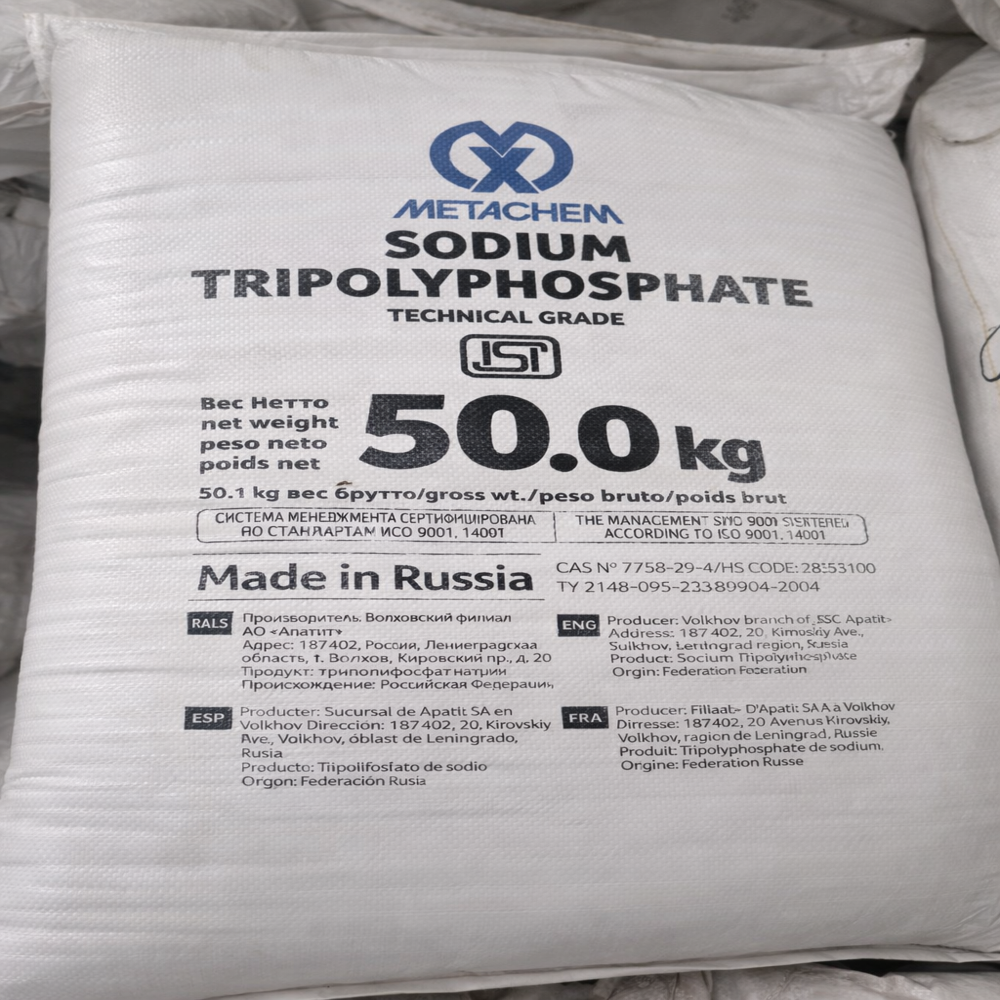
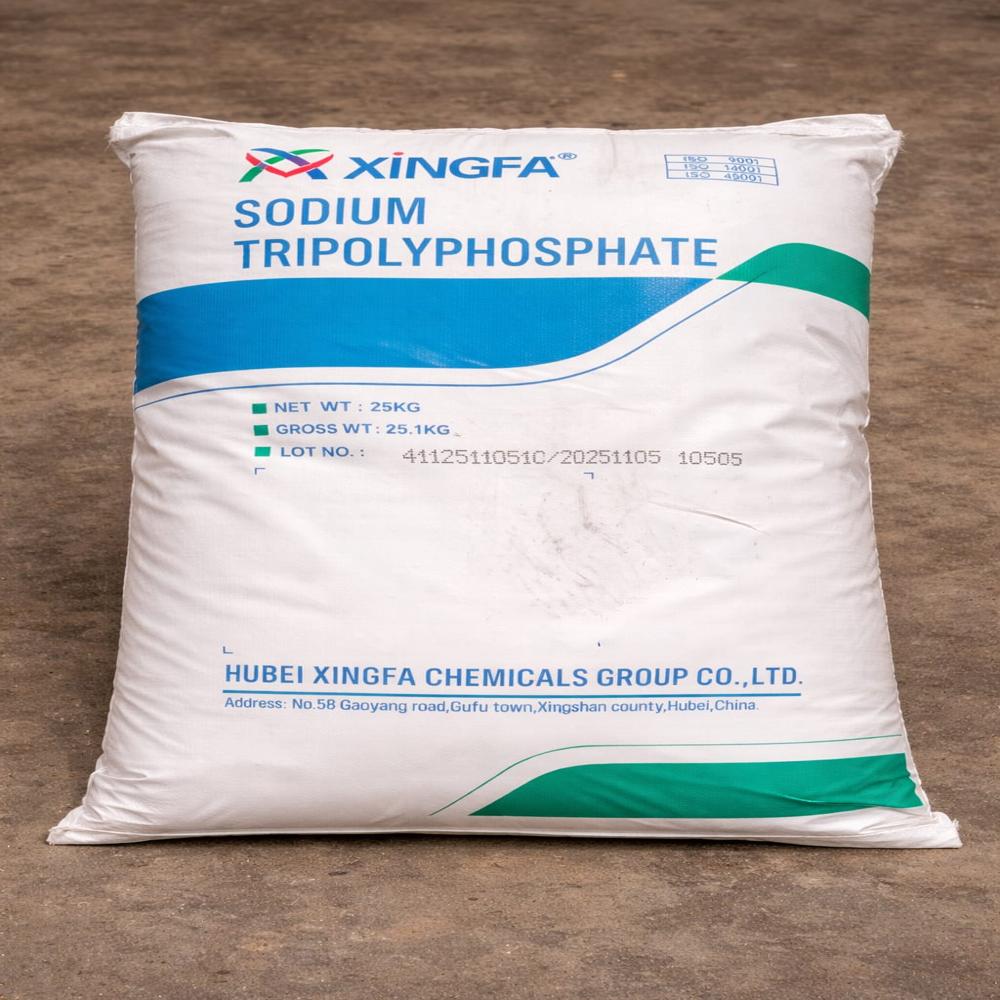
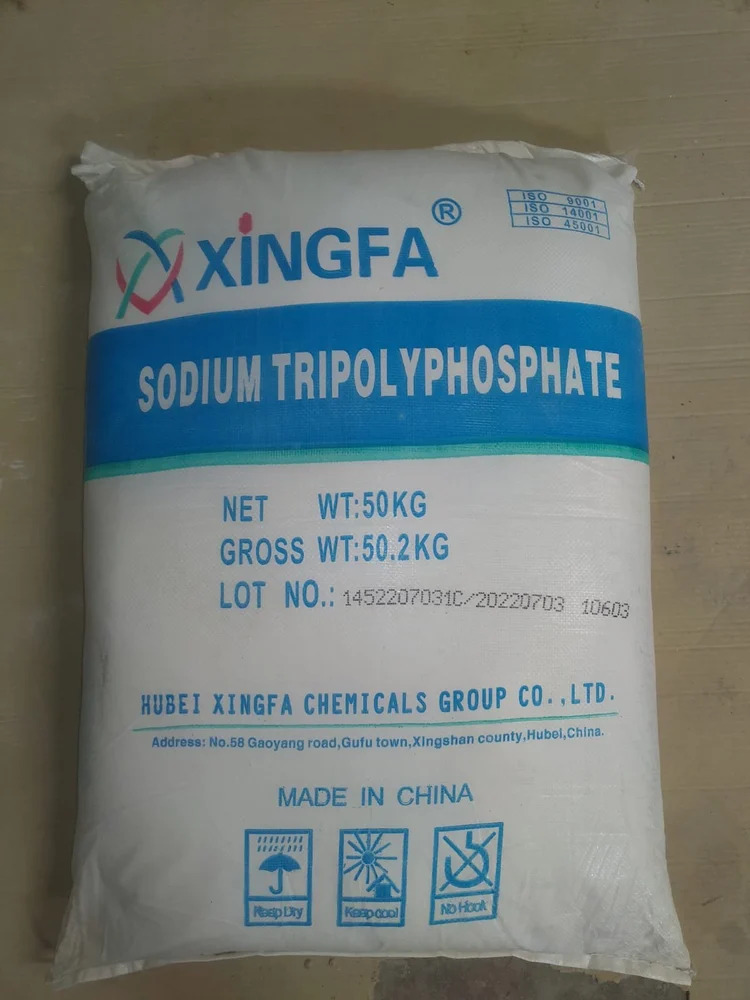
A: STPP is typically supplied as a white, free-flowing powder and should be stored in a cool, dry place within sealed containers to prevent moisture absorption and maintain product quality during handling and transportation.






 Send Inquiry



 Send Inquiry
 Send Inquiry
 Send SMS


 English
 Spanish
 French
 German
 Italian
 Chinese (Simplified)
 Japanese
 Korean
 Arabic
 Portuguese