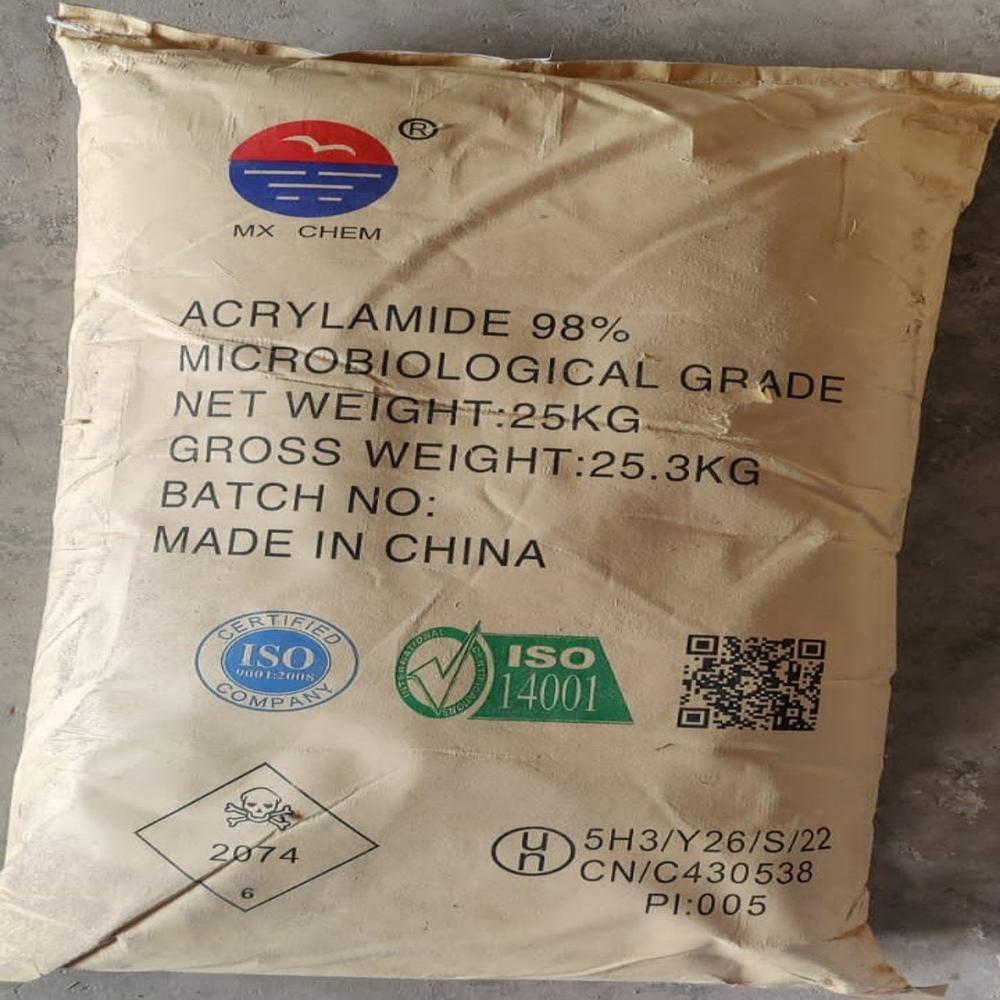
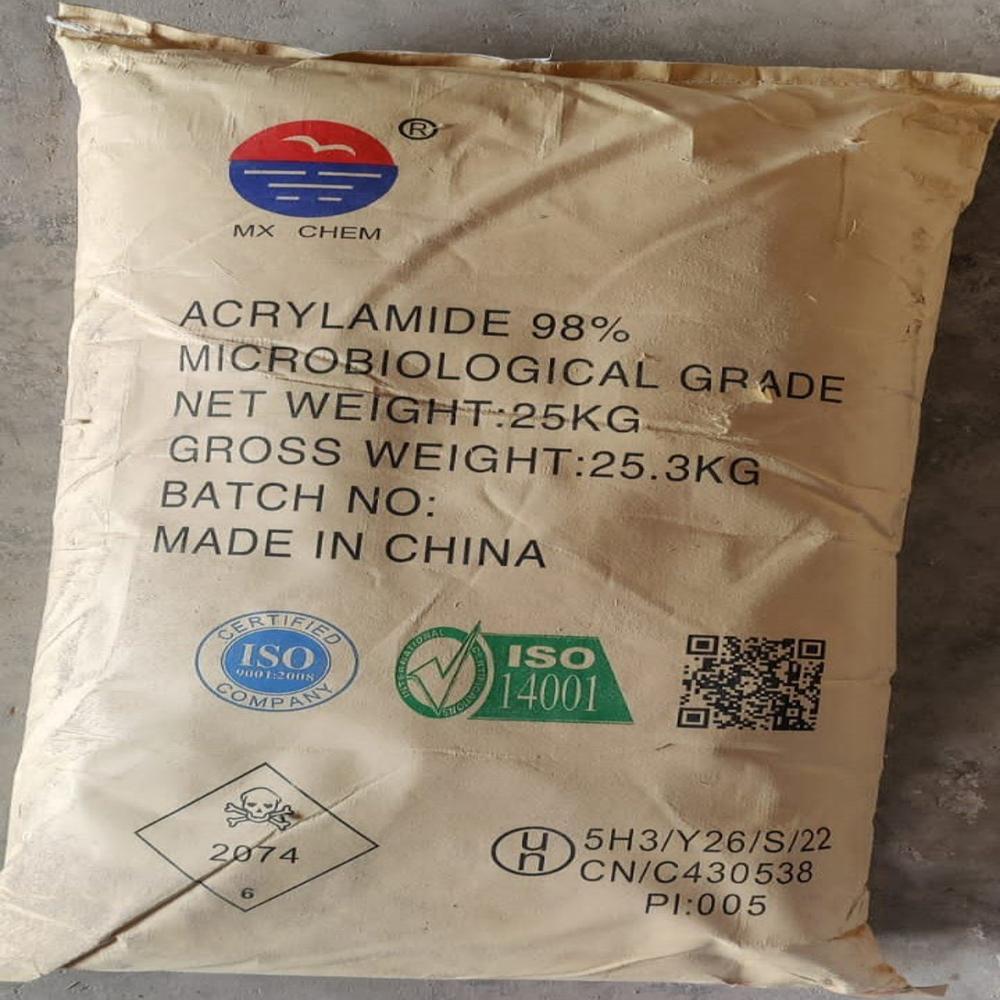
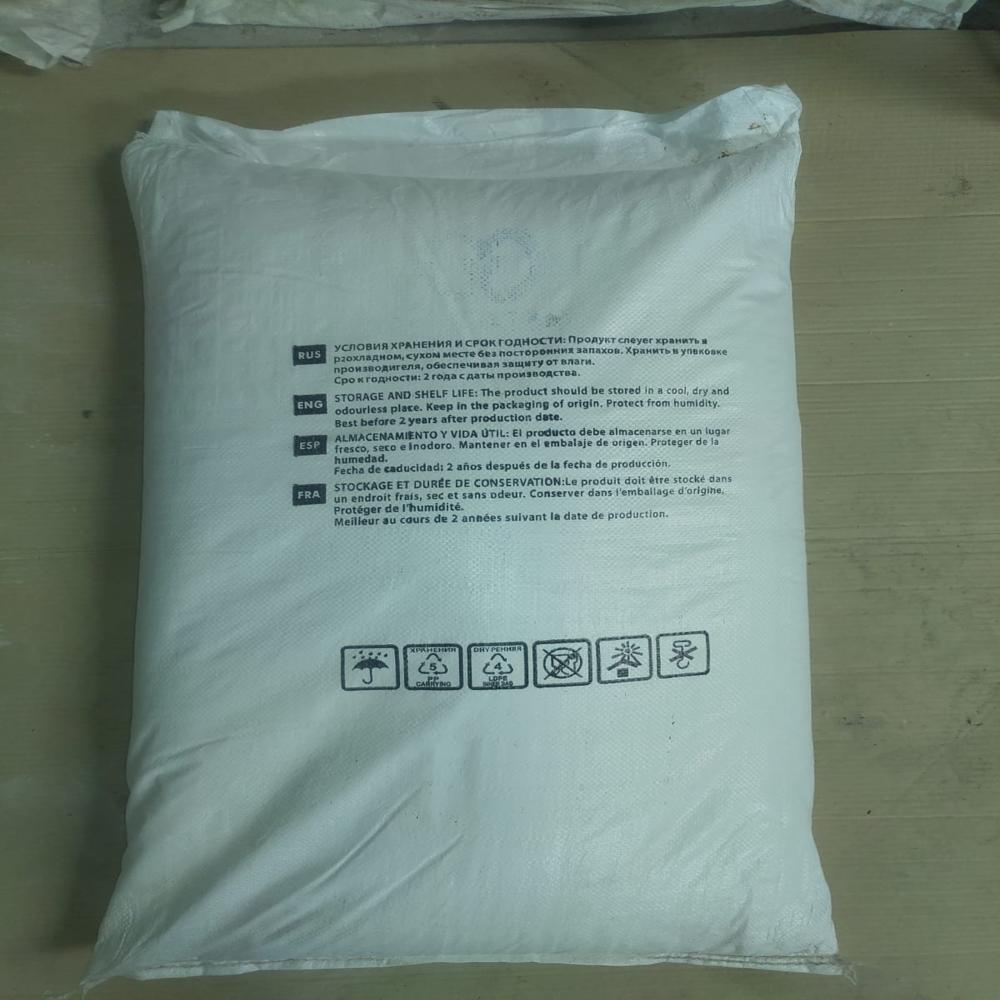
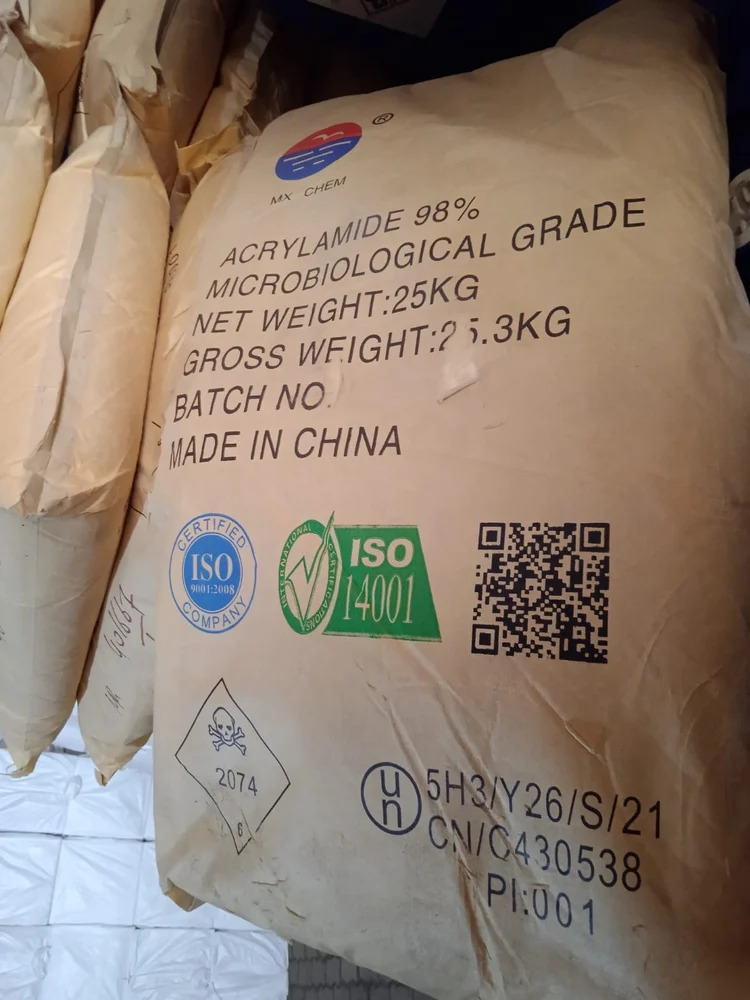
About ACRYLAMIDE POWDER
Acrylamide () is a chemical compound that forms naturally in starchy plant-based foods (like potatoes, bread, and coffee) during high-temperature cooking (
), such as frying, roasting, or baking. It is classified as a probable human carcinogen based on animal studies, although evidence in humans is inconclusive.
Key Properties and GradesAcrylamide Powder is available in Industrial Grade, ensuring high purity and efficiency for large-scale manufacturing. Its properties, such as a reliable melting point and solubility, make it indispensable in producing polymers and other industrial compounds. Understanding these characteristics helps businesses choose the appropriate grade for their specific processes.
Industrial Applications of AcrylamideAcrylamide is crucial in various industrial operations. Its major use is in synthesizing polyacrylamide, which functions as a flocculant and coagulant in water treatment plants. The paper and textile industries utilize it for enhanced product performance, while mining sectors rely on its properties for effective ore processing and separation.
Safe Handling and Regulatory ConsiderationsAs acrylamide is classified as a probable human carcinogen based on animal testing, strict handling and regulatory measures are in place to mitigate exposure risks. Industrial users are advised to adhere to safety guidelines, use personal protective equipment, and implement proper waste management to ensure safe and responsible usage.
FAQ's of ACRYLAMIDE POWDER:
Q: How is acrylamide powder generally used in industrial settings?
A: Acrylamide powder is mainly utilized in the production of polyacrylamide, which serves as a flocculant in water treatment, as well as a strengthening agent in paper and textiles and a separation aid in mining operations.
Q: What benefits does industrial grade acrylamide offer manufacturers?
A: Industrial grade acrylamide provides high purity and consistency, essential for large-scale reactions and applications, resulting in efficient production processes and superior final products across multiple industries.
Q: Where is acrylamide application most common?
A: Acrylamide is most commonly applied in water treatment facilities, paper mills, textile manufacturing plants, and mining sites due to its effectiveness as a polymer precursor and process additive.
Q: What processes require acrylamide powder in industry?
A: Industrial processes that require acrylamide powder include the synthesis of polyacrylamide for water purification, soil conditioning, paper strength enhancement, and various mining techniques involving ore separation.
Q: How should acrylamide powder be handled to ensure safety?
A: Proper handling of acrylamide involves using appropriate personal protective equipment, following strict hygiene practices, storing it in sealed containers, and adhering to local safety regulations to minimize exposure.
Q: When does natural acrylamide formation occur in foods?
A: Natural acrylamide develops in starchy foods such as potatoes, bread, and coffee when they're cooked at high temperatures through frying, roasting, or baking, though this differs from the synthetic powder used industrially.






 Send Inquiry




 Send Inquiry
 Send Inquiry
 Send SMS


 English
 Spanish
 French
 German
 Italian
 Chinese (Simplified)
 Japanese
 Korean
 Arabic
 Portuguese